









Oil-to-Foam Cleanser: A Gentle Step in Your Skincare Routine

Posted By JC

A Fresh Start for Your Cleansing Routine

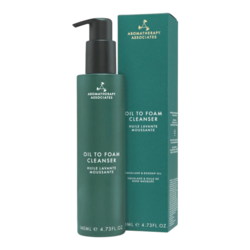
An oil-to-foam cleanser offers a useful middle ground between a nourishing cleansing oil and a traditional foaming face wash. Aromatherapy Associates Oil to Foam Cleanser is designed to sweep away makeup and impurities, changing from an oil into a foam as you work it over damp skin. That shift can make cleansing feel thorough without requiring a separate oil cleanser and foaming cleanser in the same step.

Whether you are removing the day’s sunscreen, light makeup, or everyday buildup, the right cleanser should leave skin comfortable rather than tight. The best approach is to choose a formula and routine that suit your skin, use gentle technique, and follow cleansing with products that support your skin’s needs. Here’s how an oil-to-foam cleanser works, how to use it, and where it can fit in a balanced skincare routine.


What Is an Oil-to-Foam Cleanser?

An oil-to-foam cleanser begins with an oil-like texture and develops a light lather when it meets water. Cleansing oils and oil-to-milk formulas commonly rely on emulsifying ingredients that help loosen oily residue and then disperse it as the product is rinsed away. An oil-to-foam cleanser uses a similar change in texture, with foaming agents creating a more familiar wash-off finish.

Oil-based cleansing can be helpful because many makeup products, sunscreen formulas, and excess sebum are oil-soluble. The oil phase helps lift these materials from the skin’s surface; adding water then helps the cleanser spread and rinse. This does not mean the cleanser “pulls oil from pores,” nor does a foamy finish guarantee a deeper clean. The goal is simply to remove surface residue effectively and comfortably.

The specific texture and performance vary by formula. Aromatherapy Associates describes its Oil to Foam Cleanser as a product that sweeps away makeup and impurities. If you are trying it for the first time, follow the label directions and check the ingredient list—especially if your skin is sensitive or reactive to fragrance.

Why the Oil-to-Foam Texture Can Be Convenient

A cleanser that changes texture can make the washing step feel intuitive: spread the product to loosen residue, add water to create foam, then rinse thoroughly. This format may appeal to people who enjoy the cushion of an oil cleanser but prefer the quick-rinsing sensation of a face wash. It can also simplify a routine when one cleanser is adequate for the makeup and sunscreen you wear.

There is no single cleansing method that is best for everyone. A person who wears long-wear makeup or water-resistant sunscreen may need a dedicated first cleanse, while someone with minimal daily product may find one wash sufficient. Consider what you need to remove, how your skin feels afterward, and whether the cleanser rinses cleanly without stinging or leaving a persistent film.

For context, the American Academy of Dermatology recommends washing the face gently with a mild cleanser and lukewarm water, generally limiting face washing to twice daily and after sweating. That guidance is a useful reminder that cleansing does not need to be aggressive to be effective. A generous amount of foam, scrubbing, or repeated washing is not automatically better for the skin barrier.

How to Use an Oil-to-Foam Cleanser

Start with clean hands and follow the product’s directions, since application instructions can differ. In general, dispense the recommended amount and apply it as directed—some formulas are massaged onto dry skin first, while others are intended for damp skin. Work gently over the face, including around the hairline and sides of the nose, without rubbing hard or pulling at delicate areas.

Add water gradually if the formula is designed to foam on contact, then continue massaging lightly before rinsing well with lukewarm water. Avoid the immediate eye area unless the label specifically says the product is suitable for it. Pat dry with a clean, soft towel rather than rubbing. If your face feels tight, hot, or uncomfortable afterward, reduce cleansing time or frequency and reassess whether the formula suits you.

At night, you can decide whether one cleanse is enough by checking for visible makeup or sunscreen residue and observing how your skin feels. If you wear heavier or water-resistant products, a separate first cleanse may be useful; avoid automatically washing repeatedly, as over-cleansing can leave skin feeling dry or irritated. In the morning, many people can use a gentle rinse or a brief cleanse, depending on skin type and overnight product use.

Choosing a Routine for Your Skin Type

Dry or easily irritated skin often benefits from a short, gentle routine and a moisturizer applied soon after washing. Oily or combination skin may prefer a cleanser that rinses cleanly without leaving a heavy feel, but stripping away all surface oil can backfire by making skin uncomfortable. If you have acne-prone skin, avoid vigorous scrubbing and introduce new products one at a time so it is easier to notice irritation.

Skin type is only part of the decision. Climate, medication, season, makeup habits, and conditions such as eczema or rosacea can change what feels comfortable. If you have persistent irritation or a diagnosed skin condition, consult a dermatologist before experimenting with fragranced products or adding multiple active ingredients. Patch testing a new product on a small area, following its instructions, can help identify a reaction before regular use.

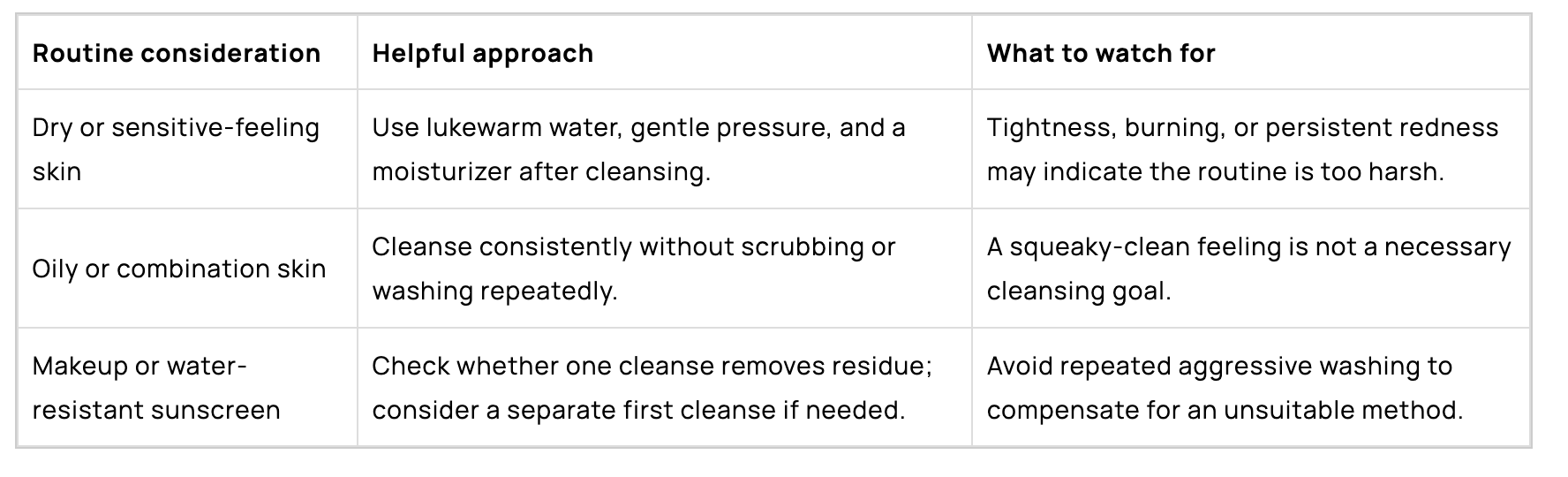
Use this table as a starting point rather than a diagnosis. Comfort after cleansing is a practical signal: skin should feel clean, not painfully tight or persistently greasy.


Pairing Cleansing with the Rest of Your Routine

After cleansing, apply any leave-on treatment according to its directions, followed by moisturizer as needed. In the morning, finish with broad-spectrum sunscreen; the American Academy of Dermatology recommends SPF 30 or higher for sun protection. At night, a lightweight face oil can be an optional final step for people who enjoy one, but it is not essential and may not suit every skin type.

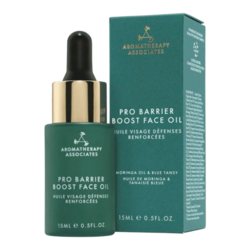
Pro Barrier Boost Face Oil on white background

C$131.00

ADD TO CART
Revive Pure Essential Oil Blend on white background

C$62.00

ADD TO CART
De-Stress Pure Essential Oil Blend on white background

C$62.00

ADD TO CART
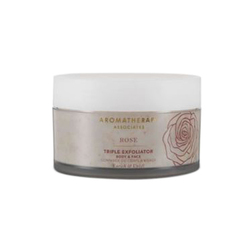
Rose Triple Exfoliator on white background

C$100.00

ADD TO CART
Forest Therapy Pure Essential Oil on white background

C$62.00

ADD TO CART


To keep the routine practical, place your cleanser where you will use it, keep water lukewarm, and avoid using rough washcloths or cleansing brushes if they cause irritation. Pay attention to how skin behaves over several days rather than judging a product by one use. If a cleanser consistently leaves your skin uncomfortable, stop using it and choose a gentler option.

Conclusion: A Simple Cleanse That Fits Your Skin

An oil-to-foam cleanser combines an oil-like first feel with a foaming rinse, offering a convenient way to remove makeup and everyday impurities. Aromatherapy Associates Oil to Foam Cleanser may suit people who enjoy this changing texture, but the right choice depends on your skin’s tolerance, what you need to remove, and how the formula feels after rinsing.

Use gentle technique, avoid over-cleansing, and follow with products that address your actual needs. Treat exfoliators, face oils, and essential oils as separate, optional choices rather than necessary additions. A comfortable routine—supported by daily sun protection and adjusted when your skin needs it—is a more dependable foundation than an elaborate sequence of products.

Frequently Asked Questions

  1. How do you use an oil-to-foam cleanser?
    Follow the product label, since some cleansers are applied to dry skin and others to damp skin. Massage gently, add water as directed to create foam, then rinse thoroughly with lukewarm water.
  2. Is an oil-to-foam cleanser suitable for sensitive skin?
    It depends on the formula and your individual sensitivities. Review the ingredient list, patch test as directed, and stop use if you develop persistent stinging, redness, or irritation; people with a skin condition may wish to consult a dermatologist.
  3. Can an oil-to-foam cleanser remove makeup and sunscreen?
    It may remove everyday makeup and residue, but performance depends on the formula and the products you wear. For heavy or water-resistant makeup and sunscreen, check your skin after cleansing and consider a separate first cleanse if needed rather than scrubbing or washing repeatedly.

New Subscribers get 10% Off

SUBSCRIBE
*Offer only for new subscribers and select brands only.
No spam. Unsubscribe at any time.
eSkinCareStore

by Eternal Skin Care

120-100 East 1st Street
North Vancouver, BC V7L1B1
Canada
Copyrights 1999-2026

Now Shopping

Canadian Flag
US Flag

Payment Methods

payment methods

Credentials

This site is protected by VikingCloud's Trusted Commerce program
Eternal Logo

Eternal Skin Care ®
120-100 East 1st Street
North Vancouver, BC V7L1B1
Canada
Copyrights 1999-2026

Welcome Back

Account Home
Previous Orders
Order Status
My Loves
Sign Out

Don't Have An Account?

Start Here if you are new to our website.

CONTINUE
FORGOT PASSWORD
Don't remember your password, please enter your email and we'll send you a link to reset your password.
small logo
SAVE 10%
on your first order*
Subscribe and receive promotional offers and stay up to date with new trends in beauty and well being.
SIGN UP
*Offer only for new subscribers, excludes certain brands.
One-time promo code will be sent via email.
By entering your email, you agree to receive newsletters from eSkinCareStore.

1.866.336.7546


NEED HELP
Loading

1.866.336.7546


Feedback
Contact us
Live chat
Added To Cart
COOKIES!
We use cookies to improve your browsing experience and help us improve eSkinCareStore.com. By using our site, you agree to use of cookies as described in our cookie policy