



Windburn vs. Sunburn vs. Irritation: Decoding Facial Redness

Posted By JC
You step inside after a walk, a ski run, or a freezing commute, and your face is red, tight, and stinging. Is that redness from the wind, the sun, or the new serum you started last week? All three look alike in the mirror, which is why so many people guess wrong and reach for the wrong fix.

This guide breaks down windburn, sunburn, and product irritation side by side, with a close look at what each one does to your skin and how to calm the redness fast. You'll learn how to tell the three apart, what to do tonight, and when redness deserves a doctor's attention.


Meet the Three Culprits

All three conditions disturb the skin's protective barrier, and each one produces redness in a different way. Windburn and irritation are mostly about barrier disruption, while sunburn is true UV damage. Because overlap is common, a day on the slopes can deliver wind and sun together, and a new product can make the redness worse. The right care can calm it, but the wrong care can turn a mild flare into a week-long problem.

Windburn Redness: The Dry-Air Culprit

Despite the name, windburn is not a true burn. Cold, dry wind strips away the natural oils and moisture that keep the barrier intact, leaving skin raw and reactive. Indoor heating adds to the problem, which is why symptoms can linger after you come inside.

  • Feels tight, dry, and stinging rather than hot to the touch

  • Shows redness, roughness, and sometimes flaking on exposed areas such as the cheeks, nose, and ears

  • Appears during or soon after time outdoors

  • Hits harder on sensitive, dry, or rosacea-prone skin


"Windburn strips, sunburn damages, and irritation react, but all three show up as redness and ask for the same thing: gentle care and a little patience."


Sunburn Redness: Yes, It Happens in Winter

UV rays do not take the winter off. Snow can reflect a large share of UV back at your face, including the underside of your chin and nose, and exposure climbs with altitude, which matters on ski trips. Sunburn is true UV damage, so it behaves differently from windburn. Your sunscreen's active ingredient matters here, whether it is mineral or chemical.

  • Feels hot and tender, and even water or clothing can sting

  • Brings pink to deep redness, sometimes with swelling, and may blister when severe

  • Typically appears a few hours after exposure and peaks around a day later

  • Often peels several days afterward


Irritation Redness: The Product Suspect

Sometimes the trigger is already on your vanity. Winter weakens the barrier, so an ingredient that felt fine in July can suddenly sting in December. Cold-season routines add to the risk, since this is when many people start retinoids, book peels, and layer on richer creams. The pattern usually points to the culprit: redness that follows where you applied a product or that began soon after something new joined your routine. Watch for these triggers:

  • Retinoids, including retinol, retinal, and prescription tretinoin

  • Exfoliating acids such as glycolic, lactic, and salicylic acid

  • Fragrance and essential oils, including holiday scents

  • Drying alcohols and physical scrubs

  • High-strength vitamin C

  • Very hot showers and steamy baths

Allergic reactions are a different story. If the redness itches intensely, spreads beyond the area you treated, or comes with swelling, an allergy may be involved. Conditions such as rosacea and eczema often flare in cold wind and dry winter air and can imitate all three, so persistent redness deserves a professional opinion.

Key Facts to Remember

  • Irritation follows a product pattern, often tied to a single ingredient.

  • A compromised winter barrier worsens redness and slows fading.

  • All three respond to gentle care, and all three are more common in winter.


Winter Ingredients That Help Calm Redness

When skin is reactive in winter, the best ingredient is usually the simplest one. Look for gentle options like these:

  • Ceramides: lipids that help restore the barrier's structure

  • Glycerin and hyaluronic acid: humectants that draw water into the skin

  • Panthenol: a soothing ingredient often found in recovery balms

  • Colloidal oatmeal and aloe: traditional calming ingredients

  • Zinc oxide: a protective mineral ingredient covered in our zinc oxide guide

Winter calls for richer textures, but thick balms can feel heavy on oily or acne-prone skin. If you are not sure what suits your redness, browse our Skin Redness and Sensitive Skin collections, or ask one of our licensed aestheticians for a free consultation.

Water Drench Ice Facial Cooling Mist on white background

C$55.00

ADD TO CART
Rosacea Rescue Relieve and Restore Serum on white background

C$46.00

ADD TO CART
Delicate Essential Moisturizer on white background
3

C$71.48

ADD TO CART
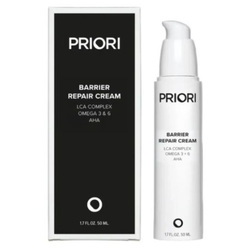
LCA Barrier Repair Cream on white background
1

C$125.00

ADD TO CART


Winter Dryness and Redness: What's the Link?

Dryness is the quiet partner behind most winter redness. When cold air and indoor heat pull moisture from your skin, the barrier weakens, and a weak barrier lets irritants in and water out. The result is skin that looks red, feels tight, and stings at the slightest touch. Dry skin and dehydrated skin are not the same thing, but winter can bring both, and both can show up as redness.

Signs that dryness is driving your redness:

  • Tightness right after washing your face

  • Flaking or rough patches that make redness look uneven

  • Stinging from products that usually feel fine

  • Redness that fades slightly after you moisturize

The fix has two parts: add water first, then seal it in. Humectants such as glycerin and hyaluronic acid draw water into the skin, while occlusives and richer creams help keep it there. Apply them while skin is still slightly damp, and keep moisturizing even if your face feels oily, because dehydrated skin can still feel oily.

When to See a Doctor

Most mild redness settles at home within a few days, but some signs mean you should not wait it out. Seek medical care if you notice:

  • Blistering, severe pain, or significant swelling

  • Fever, chills, nausea, or dizziness alongside a bad sunburn

  • Eye pain, vision changes, or swelling around the eyes

  • Signs of infection, such as yellow crusts, pus, warmth, or spreading redness

  • Numb, pale, or waxy-looking skin after time in the cold, which can signal frostbite

  • Redness that lasts longer than one to two weeks or keeps returning

Swelling of the lips or face, or trouble breathing, is an emergency, so call your local emergency number right away. If you suspect an allergic reaction to a product, stop using it and ask a healthcare professional which ingredient may be responsible for the redness.


"The best way to treat winter redness is to understand what caused it."


Final Thoughts on Winter Redness

Windburn strips, sunburn damages, and irritation react, but all three show up as redness and ask for the same thing: gentle care and a little patience. Once you know the pattern, you can stop guessing and start choosing the right fix for your winter redness, whether that means a soothing cream, a scarf, or simply a break from your strongest products.


Start tonight by checking the ingredient list on what you already own. Spot the ingredient that stings, set it aside, and give your barrier a few quiet, cozy days. Your skin will usually tell you the rest.


This article is for educational purposes only and is not medical advice. Please consult a healthcare professional about persistent or severe symptoms.

New Subscribers get 10% Off

SUBSCRIBE
*Offer only for new subscribers and select brands only.
No spam. Unsubscribe at any time.
eSkinCareStore

by Eternal Skin Care

120-100 East 1st Street
North Vancouver, BC V7L1B1
Canada
Copyrights 1999-2026

Now Shopping

Canadian Flag
US Flag

Payment Methods

payment methods

Credentials

This site is protected by VikingCloud's Trusted Commerce program
Eternal Logo

Eternal Skin Care ®
120-100 East 1st Street
North Vancouver, BC V7L1B1
Canada
Copyrights 1999-2026

Welcome Back

Account Home
Previous Orders
Order Status
My Loves
Sign Out

Don't Have An Account?

Start Here if you are new to our website.

CONTINUE
FORGOT PASSWORD
Don't remember your password, please enter your email and we'll send you a link to reset your password.
small logo
SAVE 10%
on your first order*
Subscribe and receive promotional offers and stay up to date with new trends in beauty and well being.
SIGN UP
*Offer only for new subscribers, excludes certain brands.
One-time promo code will be sent via email.
By entering your email, you agree to receive newsletters from eSkinCareStore.

1.866.336.7546


NEED HELP
Loading

1.866.336.7546


Feedback
Contact us
Live chat
Added To Cart
COOKIES!
We use cookies to improve your browsing experience and help us improve eSkinCareStore.com. By using our site, you agree to use of cookies as described in our cookie policy